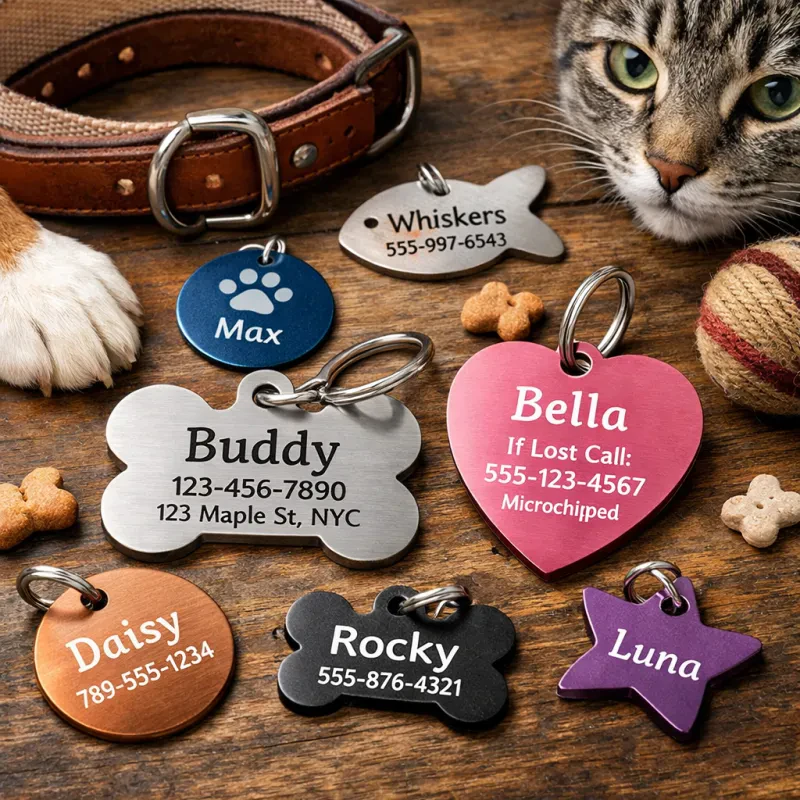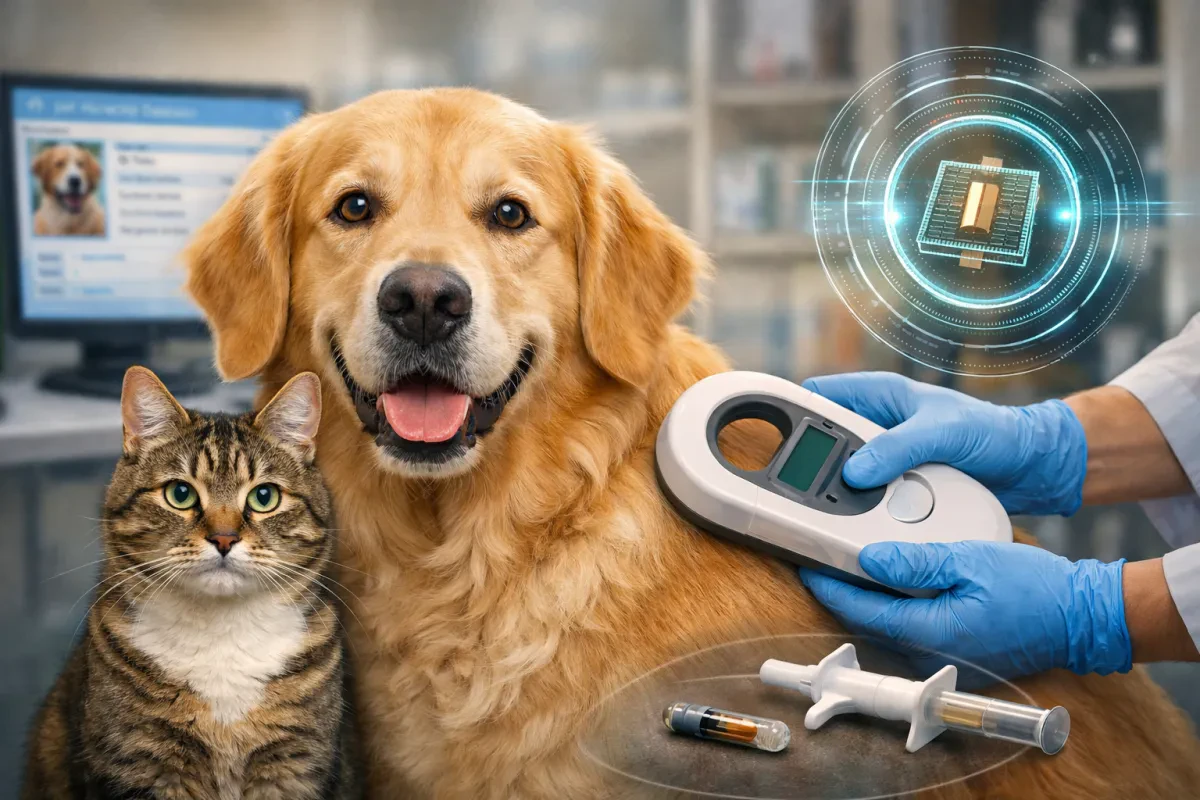
If you’re a pet owner, you’ve probably heard about pet microchips, but what are they really? A pet microchip is a tiny device, about the size of a grain of rice, implanted just under your pet’s skin. It holds a unique identification number that can be read by special scanners at vet offices and animal shelters. This means if your furry friend ever gets lost, anyone who finds them can easily check the microchip and find out who they belong to.
Getting your pet microchipped is a quick and simple process. You can usually do it during a routine vet visit. The vet will insert the microchip using a small needle, and it’s pretty much painless. After it’s done, all you need to do is register the chip number with your details. This provides peace of mind, knowing that your pet has a reliable form of identification.
One of the best parts about microchips is that they last a lifetime. The chip doesn’t have a battery, so you don’t need to worry about it running out. Just make sure to keep your contact information updated in the registry. If you move or change your phone number, update the details so that you can always be contacted if your pet is found.
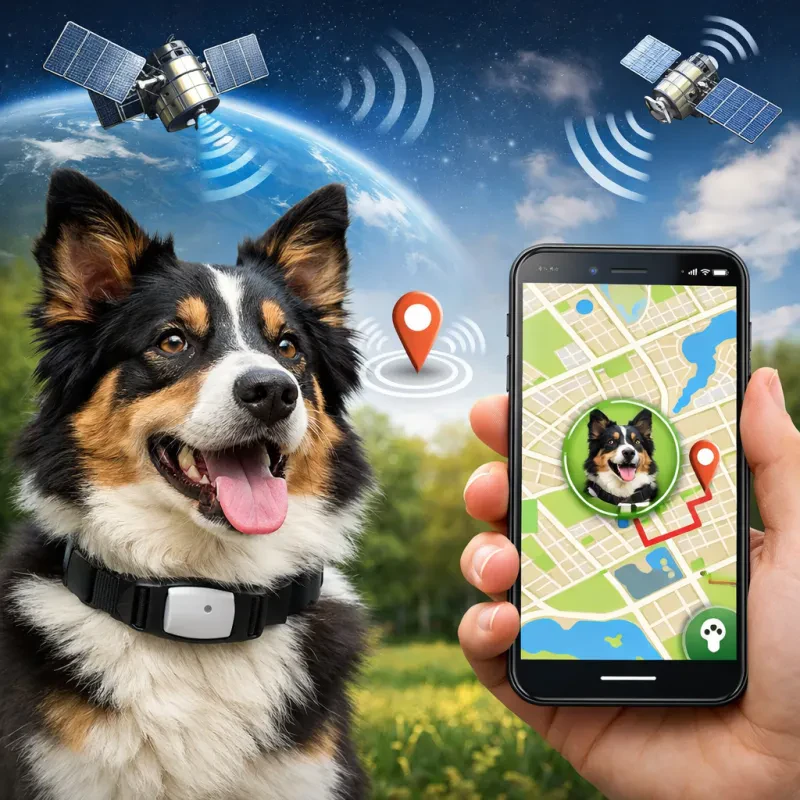
It’s important to note that a pet microchip isn’t a GPS tracker. It doesn’t give you real-time location details. Instead, it serves as an ID that helps reunite lost pets with their owners. This is crucial since many pets end up in shelters every year, and a microchip can make the difference in getting them back home safely. Understanding this pet microchip information will help you make the best choice for your pet's safety.
How Microchips Work
Pet microchips are tiny devices that get implanted under your pet's skin, usually between their shoulder blades. The process is quick, similar to a vaccination, and your furry friend hardly feels a thing. Once it’s in, the chip works by using radio frequency identification (RFID) technology. This means it’s like a tiny ID card for your pet that helps prove their identity if they ever get lost.
Here’s how it works: every microchip has a unique number stored in it. When a scanner passes over your pet, it reads the microchip's number. The vet or shelter can then look up that number in a database to find your contact information. This is super handy because it allows you to get reunited with your pet quickly if they wander off.
It’s important to keep your pet microchip information updated. When you move or change your phone number, make sure to update the details in the database. If that info is out of date, you could miss a call if your pet is found. Always double-check that your microchip registration is correct!
While a microchip isn’t a GPS tracker, it adds a layer of security for your pet. Tag collars can fall off or get lost, but a microchip stays with your pet for life. It’s a simple, effective way to ensure they can always be identified, even if they manage to escape.
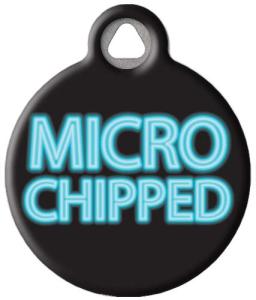
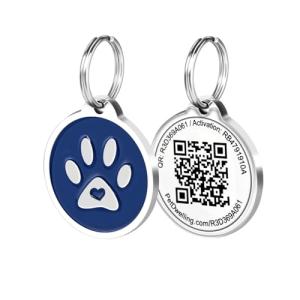
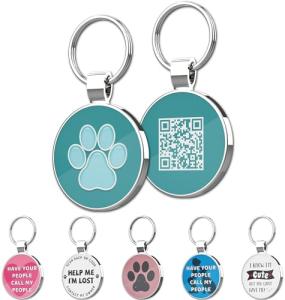
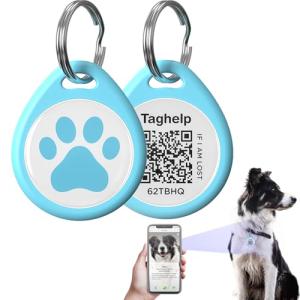
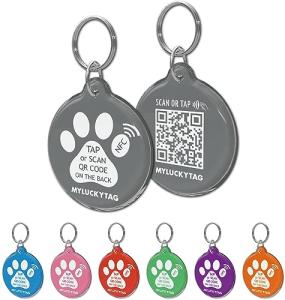
Personalized Microchipped Pet ID Tag for Dogs & Cats
Keep your furry friends safe and sound with our custom microchipped pet ID tags
Product information
$19.00
Product Review Score
4.19 out of 5 stars
53 reviewsProduct links
Benefits of Microchipping Your Pet
Microchipping your pet is one of the best decisions you can make for their safety. Unlike collars or tags, microchips are permanent and can’t be easily lost or removed. Once implanted, a tiny chip with your pet’s unique identification number stays safely under their skin. If your furry friend ever gets lost, this microchip is a lifesaver.
When someone finds your pet, a quick scan at a vet or animal shelter can reveal that unique number. They can look up your contact information and get your pet back home. This makes the whole process of reuniting super quick and effective. Forget about feeling hopeless or helpless. A microchip gives both you and your pet peace of mind.
Getting your pet microchipped is easy and usually takes just a few minutes at your vet’s office. Plus, it doesn’t require any special care afterward. Just keep the information linked to the microchip updated. If you move or change your phone number, a simple call to the registry keeps everything current. This simple step is essential when it comes to pet microchip information.
Microchipping isn’t just about finding lost pets. It can also help if your pet is stolen. Animal thieves often target pets, but having a microchip makes it harder for them to keep your pet. The chip serves as a kind of ID that proves the pet belongs to you, showing potential thieves that it’s not worth the risk.

8 Pack Heavy Duty 1 Inch Quick Release Buckles
Keep your pets secure and stylish with these tough, easy-to-use buckles
Product information
$8.99
Product Review Score
4.21 out of 5 stars
122 reviewsProduct links
Keeping Your Pet's Information Up to Date
Start with the basics. Whenever you move, change your phone number, or even get a new email address, make sure to update your pet's microchip information. Most microchip companies have an easy online process for changes, so it shouldn't take long.
Don't forget about regular check-ins too. You might assume everything is fine, but it’s a good idea to check that your details are still accurate, especially if you haven’t had to use the microchip in a while. This simple step could save you a lot of stress if the unexpected happens.
Also, keep in mind that some microchip services offer additional benefits, like alerts if your pet is scanned anywhere. These services can give you that extra peace of mind knowing that your pet is always connected, and their information is safe.